Everything you need to know before embarking on the adventure of a lifetime – tracking endangered mountain gorillas in Bwindi Impenetrable National Park and Mgahinga Gorilla National Park. From permits and packing lists to fitness tips and what to expect on the trek.
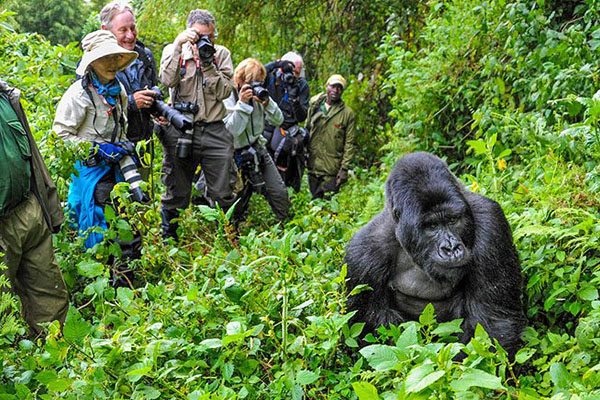
Uganda is home to over half of the world's remaining mountain gorillas, making it one of the premier destinations for this bucket-list experience. In 2026, gorilla trekking remains centered in the lush rainforests of Bwindi Impenetrable National Park (a UNESCO World Heritage Site) and Mgahinga Gorilla National Park in southwestern Uganda. These parks offer intimate encounters with habituated gorilla families, where you'll spend one magical hour observing these gentle giants in their natural habitat.
Gorilla trekking is available year-round, but planning ahead is essential due to limited daily permits.
A gorilla trekking permit is required and issued by the Uganda Wildlife Authority (UWA). In 2026, the standard permit costs $800 USD for foreign non-residents, $700 USD for foreign residents, and lower rates for East Africans and other Africans.
Each habituated gorilla family allows only 8 visitors per day, resulting in limited availability (around 96-160 permits daily across both parks). Permits sell out quickly, especially in peak season – book 6-12 months in advance through a reputable tour operator or directly via UWA.
For a more immersive experience, consider the Gorilla Habituation Experience (available in Bwindi's Rushaga sector), which allows 4 hours with semi-habituated gorillas for $1,500 USD.
The dry seasons offer the best conditions: June to September and December to February. Trails are less muddy, vegetation is thinner for better visibility, and rainfall is lower.
Wet seasons (March-May and October-November) bring discounts on accommodations and sometimes permits, plus lush scenery and fewer crowds – but expect slippery trails and potential rain.
Trekking occurs year-round; gorillas don't migrate with seasons.
Treks start early with a briefing at park headquarters. Groups of up to 8 are assigned a habituated gorilla family, accompanied by armed rangers and guides.
Hiking duration varies from 2-8 hours round-trip, depending on the gorillas' location. Terrain is steep, dense, and off-trail – no fixed paths.
Once located, you'll spend 1 hour observing from 7 meters away. Watch silverbacks lead, mothers nurture infants, and juveniles play. Photography is allowed (no flash).
Rules: No eating/drinking near gorillas, maintain distance, wear masks if ill (gorillas are susceptible to human diseases).
Gorilla trekking is moderately strenuous. You need reasonable fitness to handle steep hills, uneven terrain, altitude (up to 2,500m), and humidity.
No age limit beyond 15 years, but treks aren't suitable for those with mobility issues. Porters ($15-20/day) can carry bags or assist – highly recommended, and it supports local communities.
Preparation: Walk/hike regularly in the months leading up. Stay hydrated and pace yourself.
Pack light in a small daypack (porters can carry it). Essentials include:
Neutral colors (green/brown/khaki) are recommended to blend in.
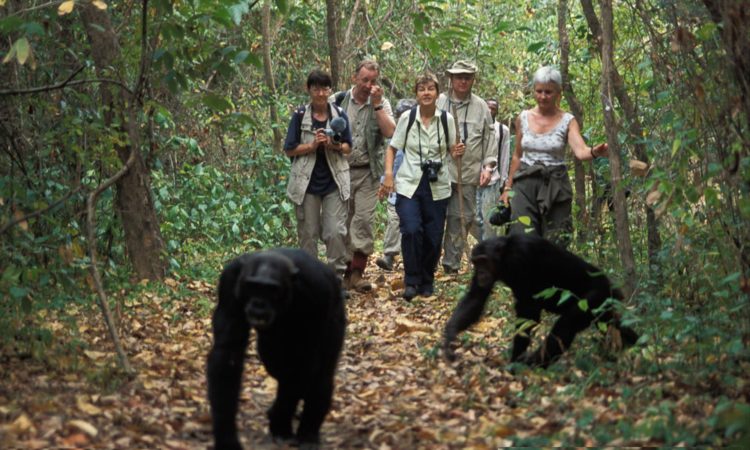
Combine with chimpanzee tracking, safaris in Queen Elizabeth National Park, or relaxation at Lake Bunyonyi. Fly into Entebbe or Kigali (Rwanda) for easier access to Bwindi.
Your trek supports vital conservation – gorilla numbers are increasing thanks to tourism revenue.
Book early, prepare physically, and get ready for an unforgettable encounter!